Conversion and extension of Grade II listed synagogue into university hall and music school.
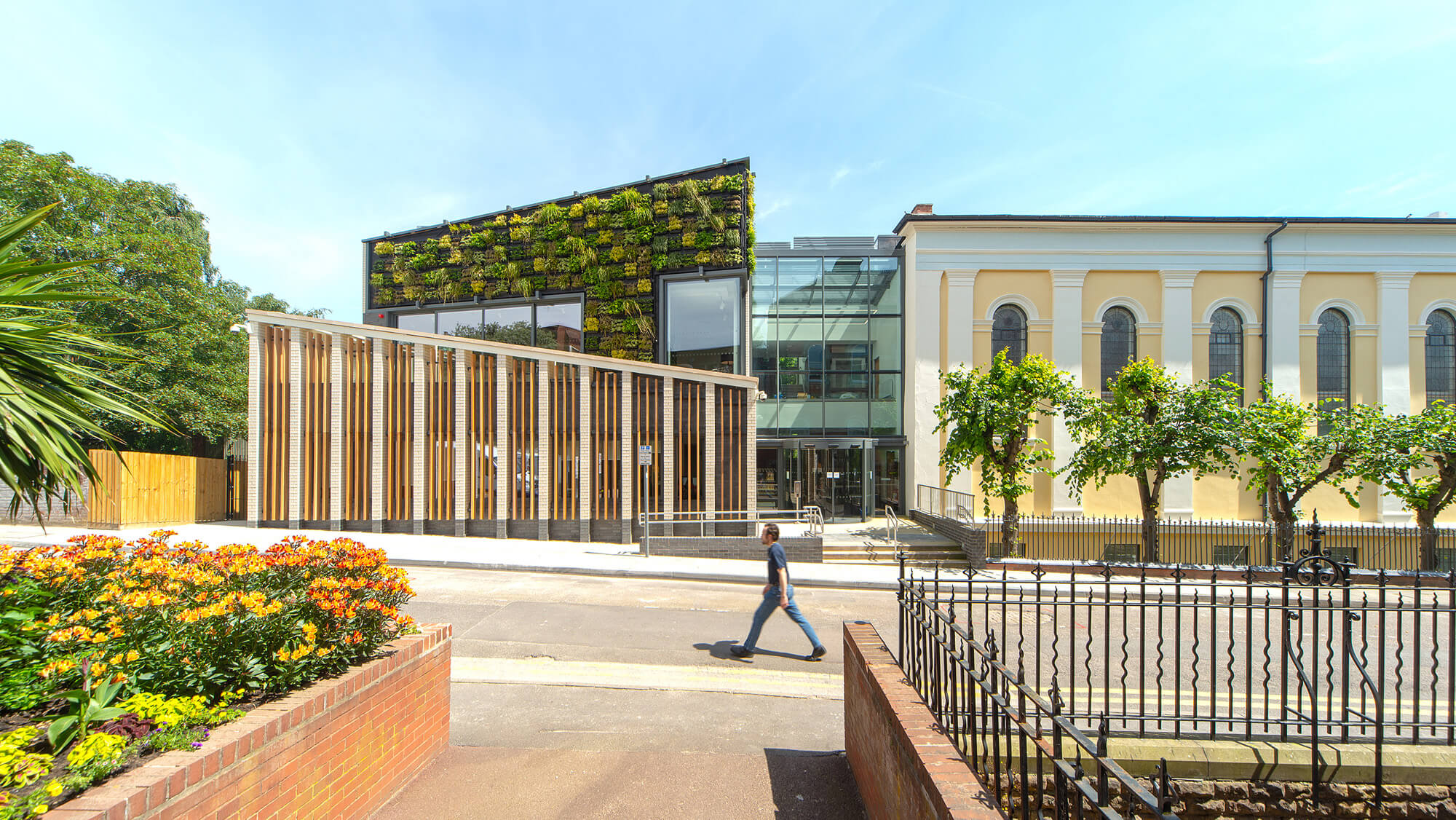
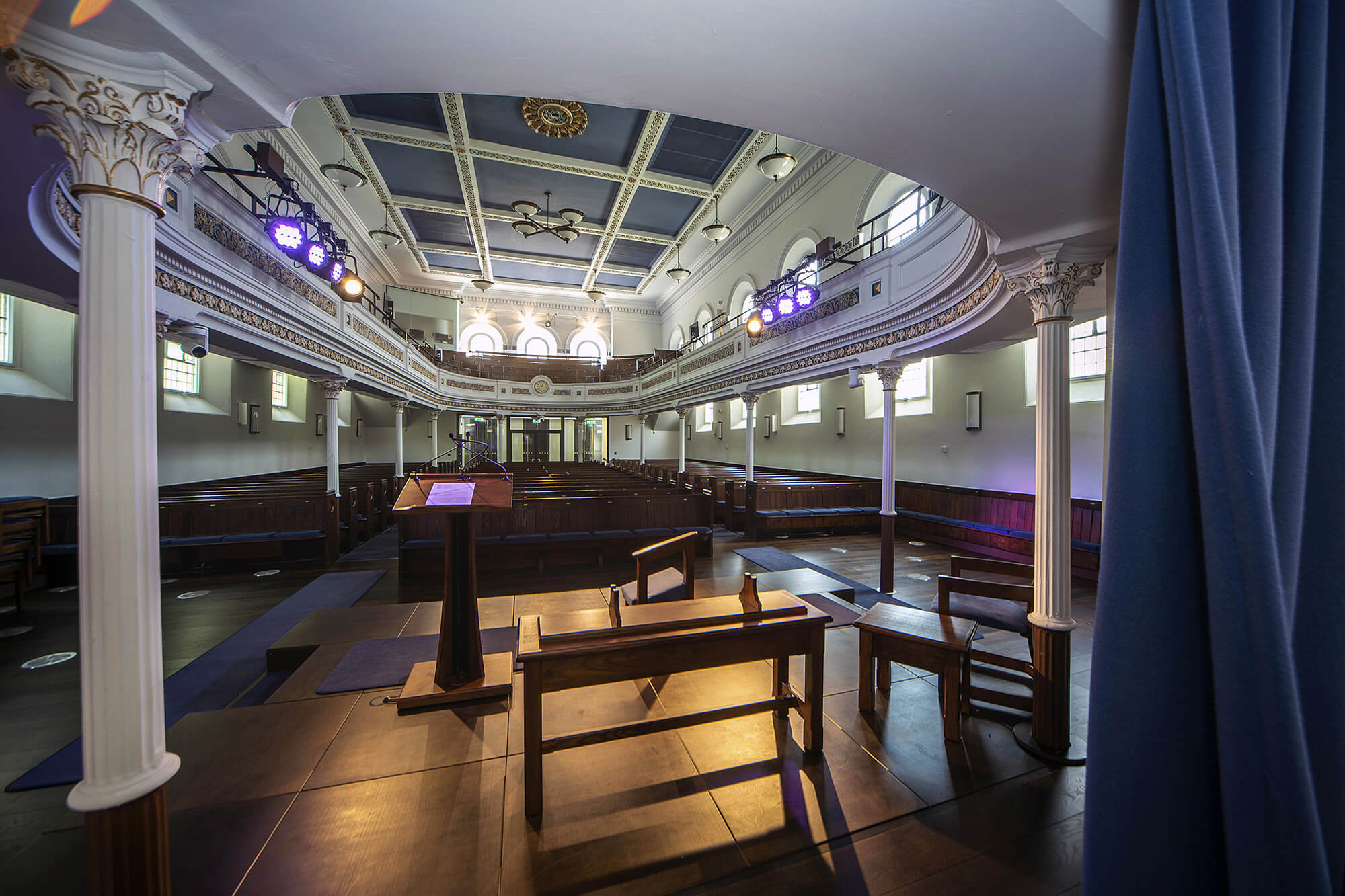
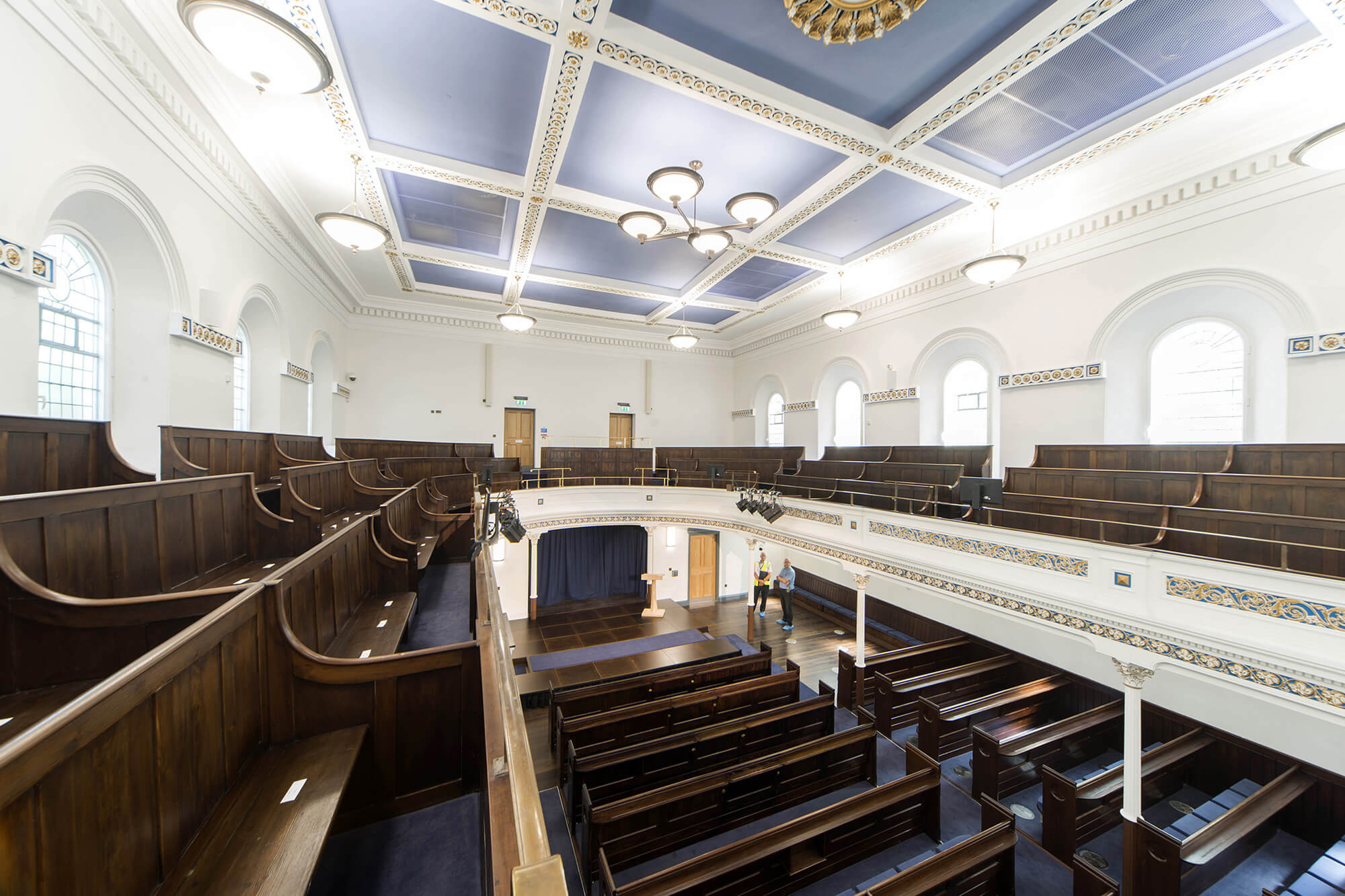
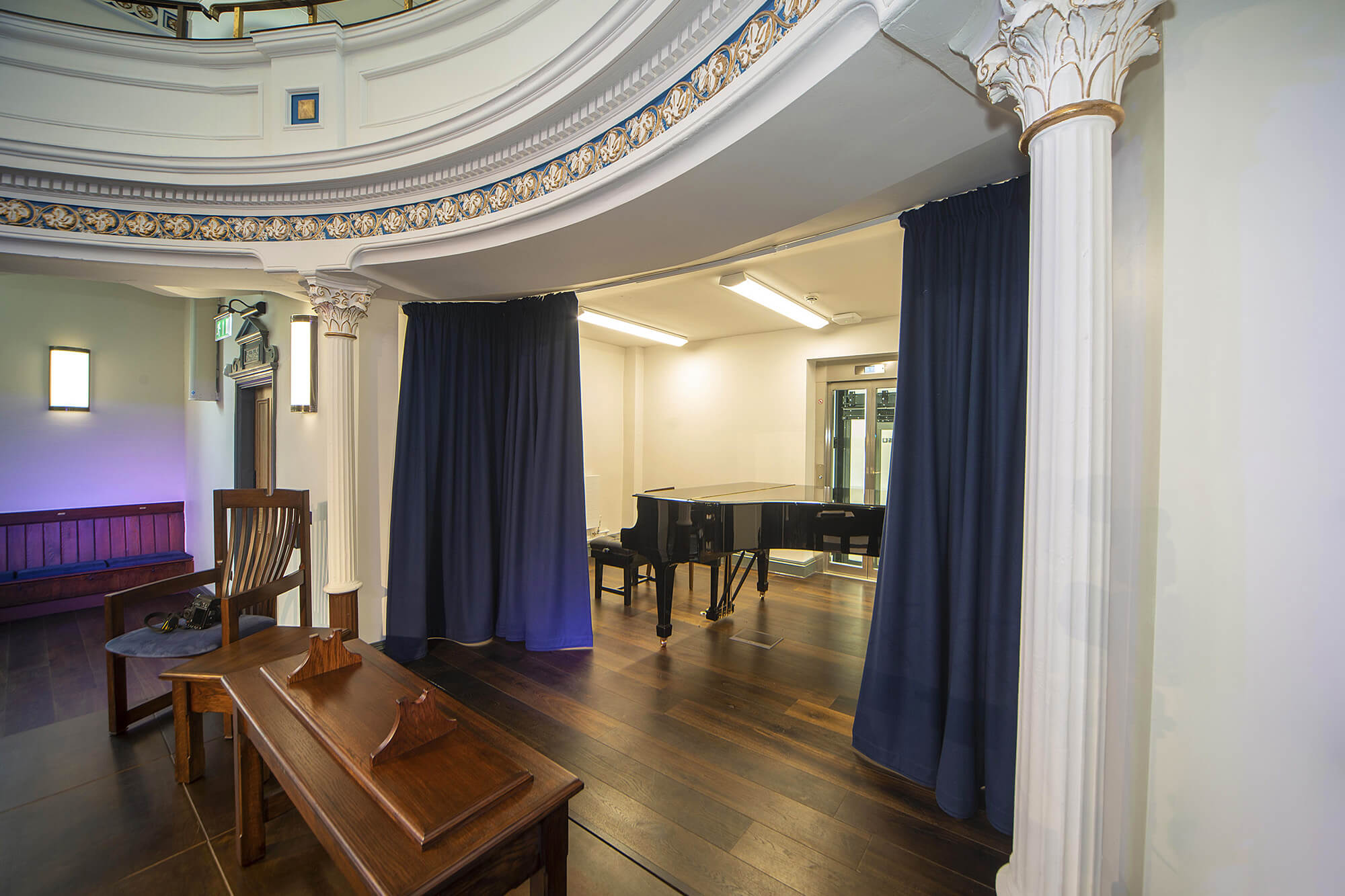
YMD Boon was appointed by Nottingham Trent University to provide architectural services for the acquisition, refurbishment, and extension of a Grade II listed synagogue, originally built in 1854 and later converted from a chapel. The project involved transforming the historic building into a multi-use university hall while preserving its heritage, creating a flexible space for graduation ceremonies, lectures, performances, and community activities.
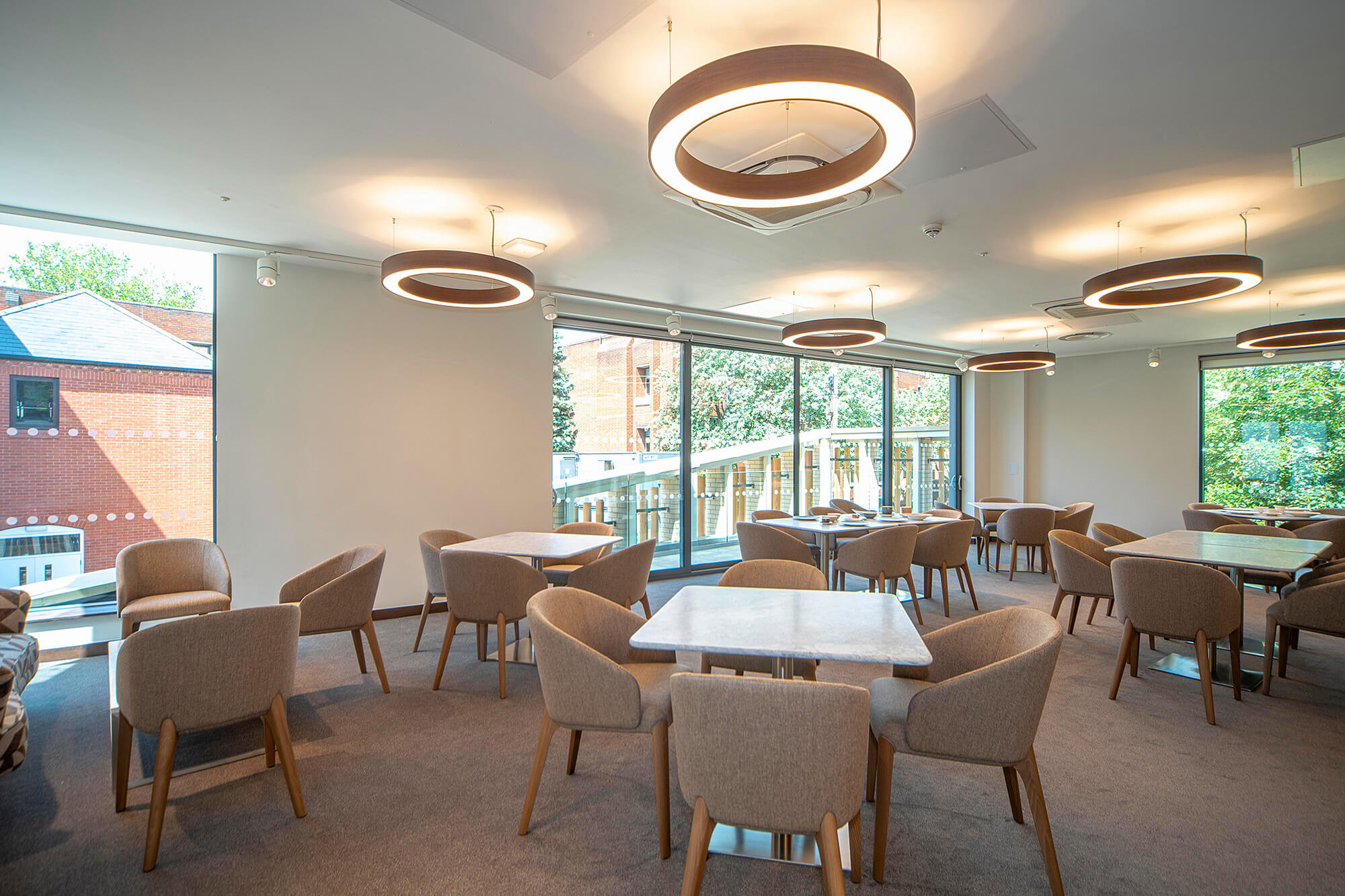
Working closely with the University, key stakeholders, the planning department, and the conservation officer, we undertook an extensive option appraisal to establish the most advantageous approach. Two options were developed: a refurbishment-only scheme and an extension incorporating a new rear block. The client selected the extension option, allowing for a new Music School, offices, dance studios, rehearsal rooms, and a high-end café and restaurant.
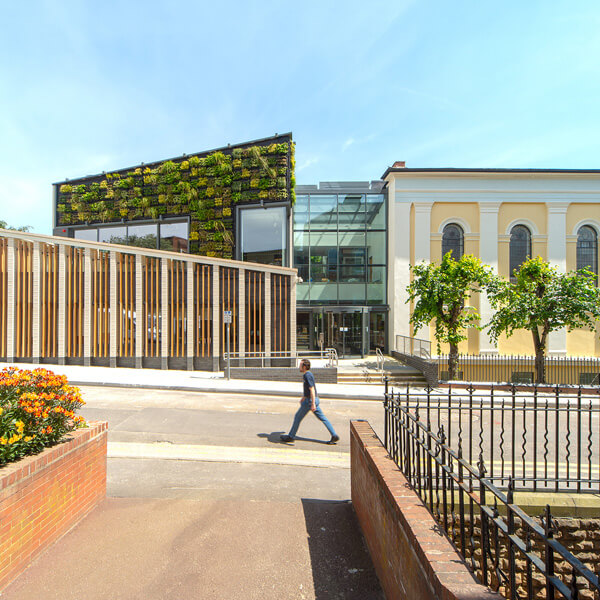
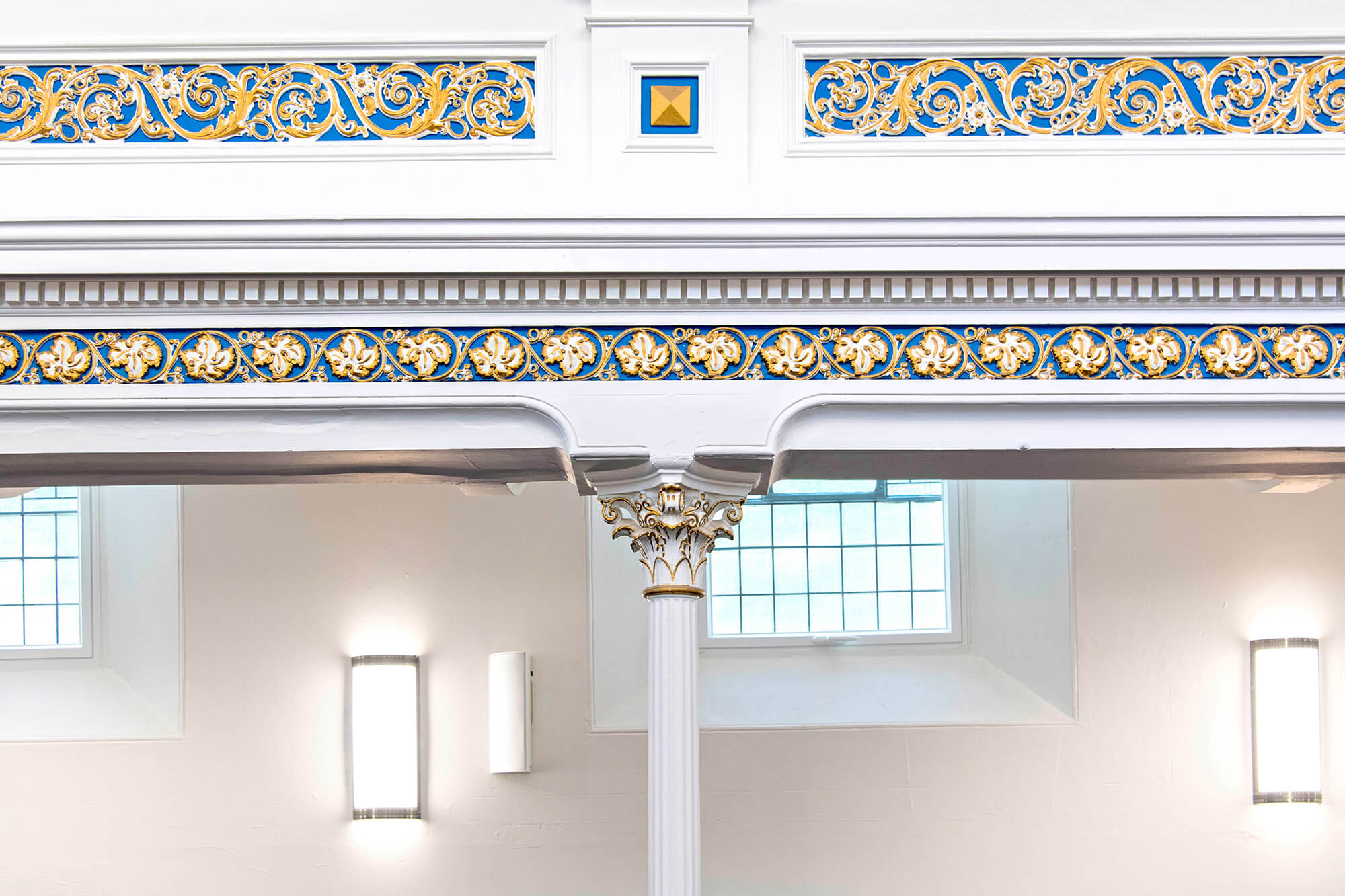
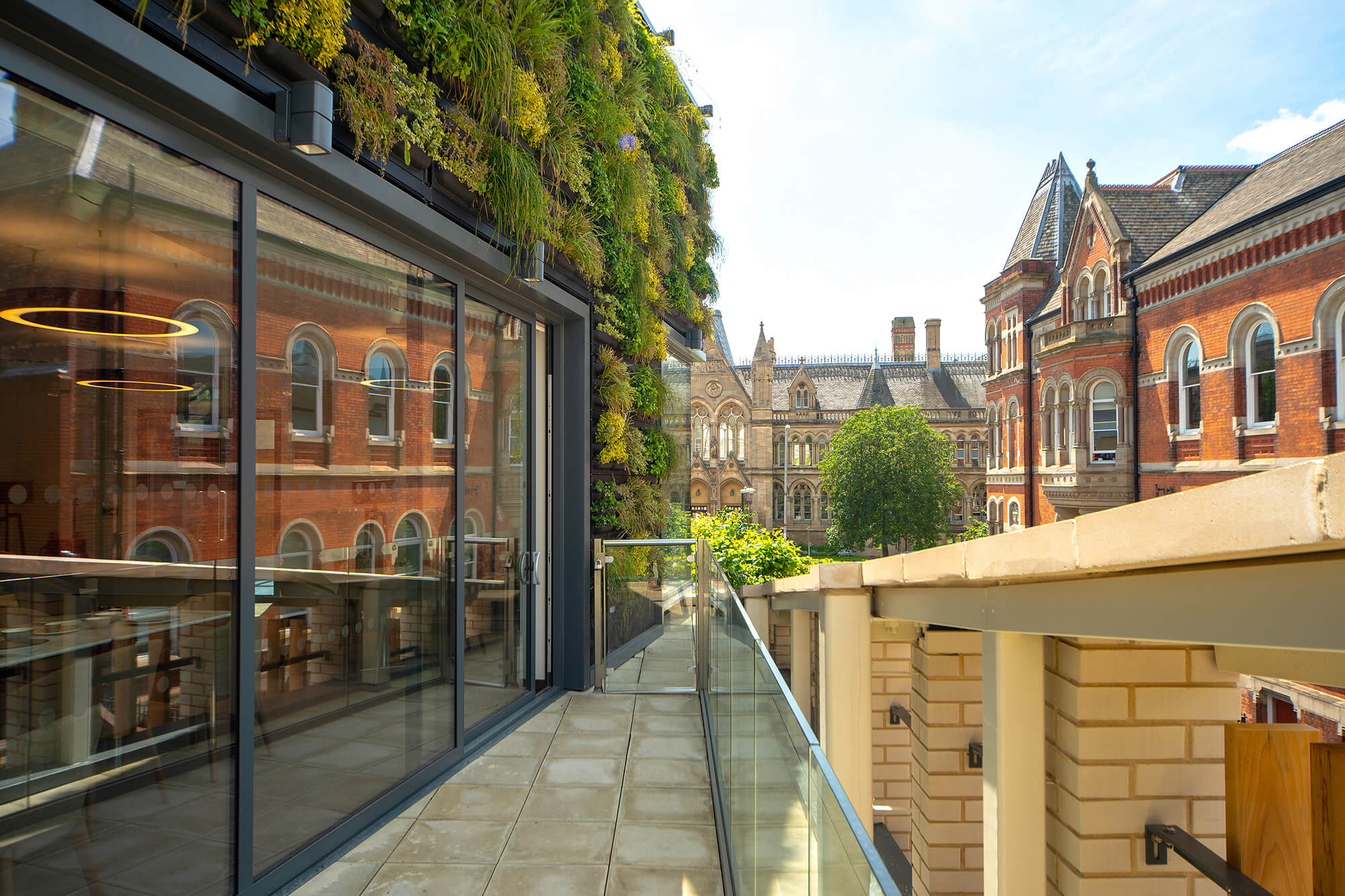
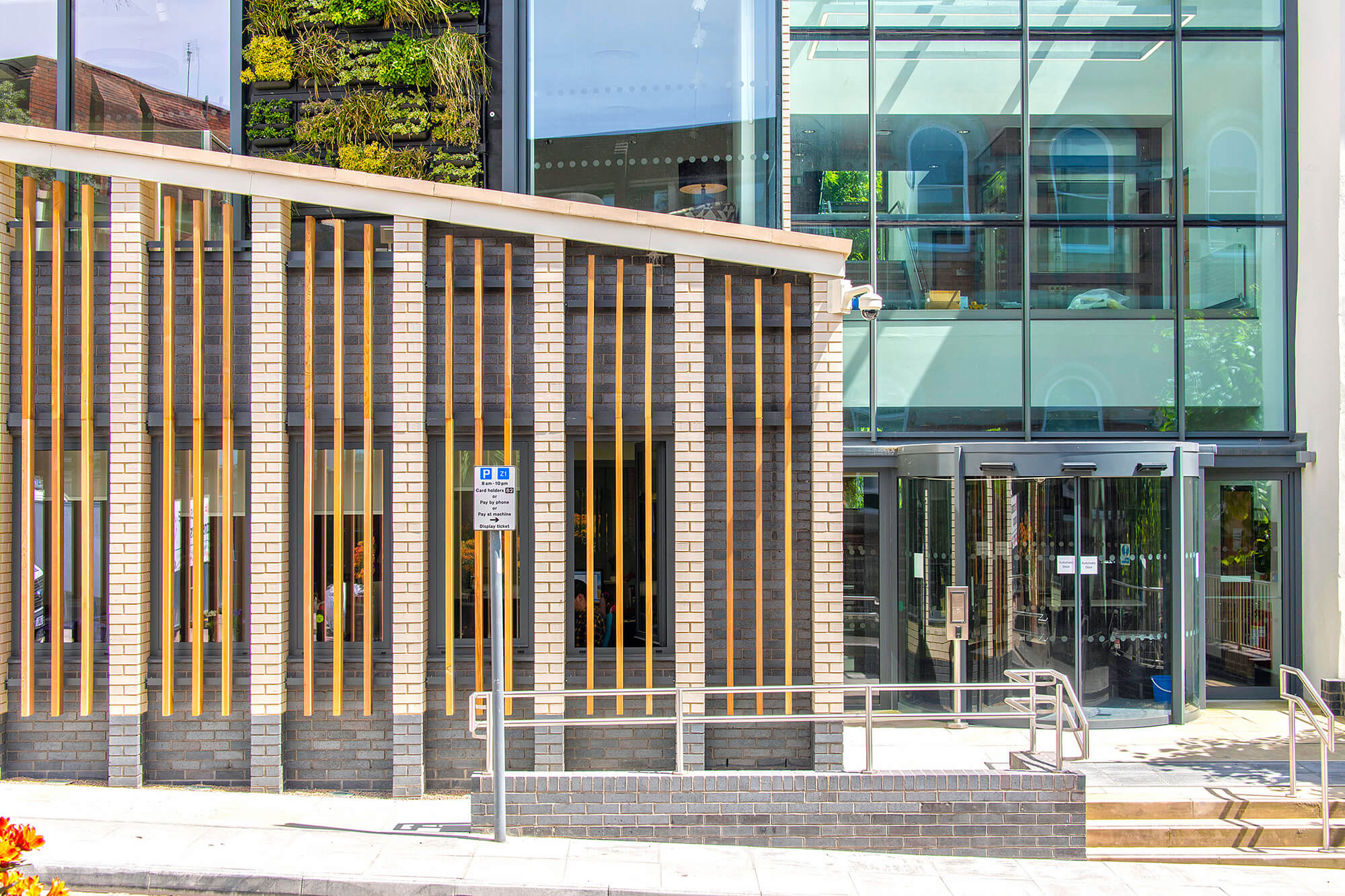
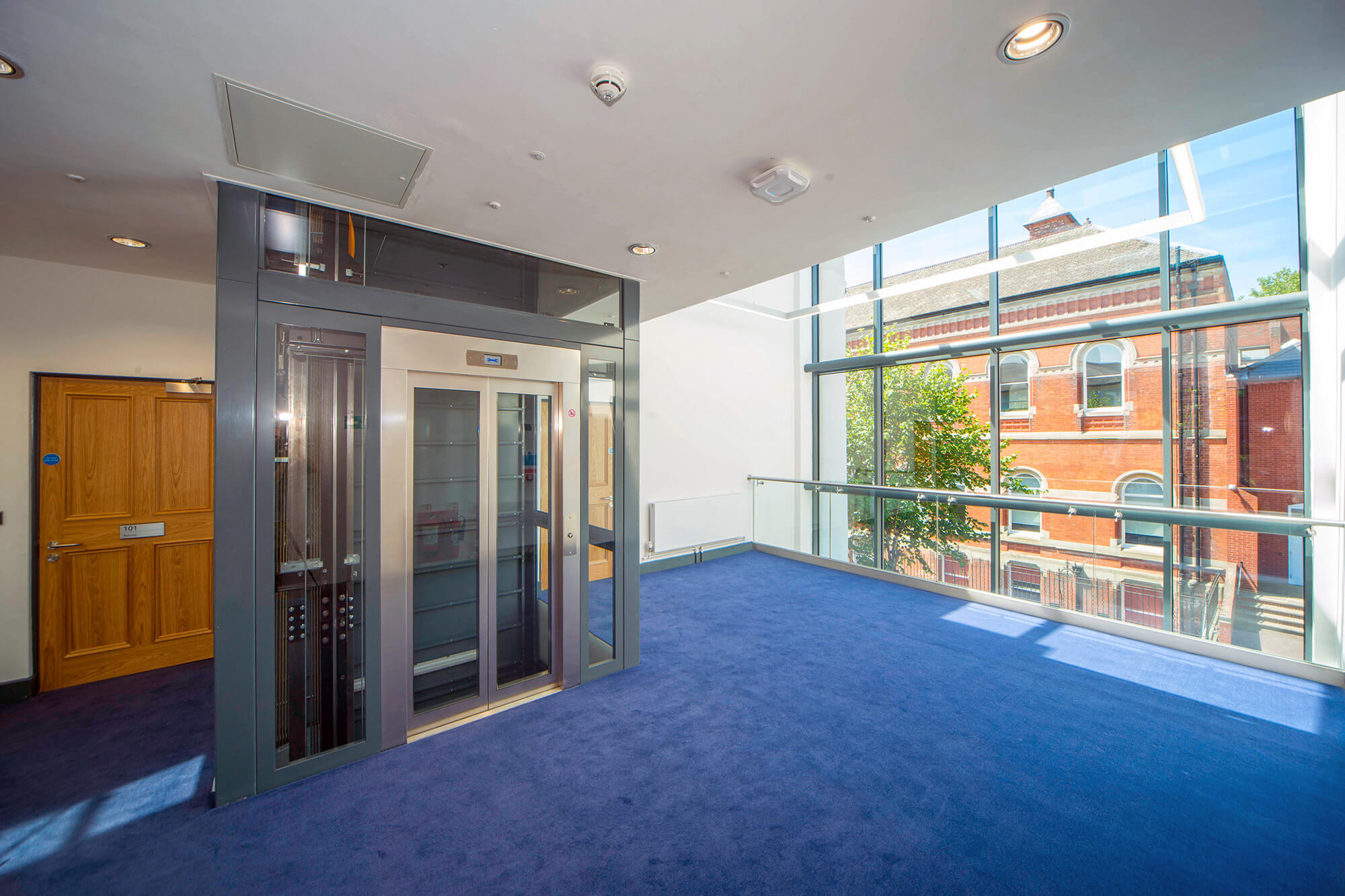
The design approach focused on minimal intervention, adapting the building’s purpose to suit its structure rather than altering historic fabric unnecessarily. Dynamic forms for the new extension respond to historic geometries of the site and surrounding terraces, creating a distinctive identity and landmark presence. Key features include a glass vertical circulation core for level access, a lift to stage and balcony, and a green wall enhancing biodiversity and environmental performance. The scheme achieved BREEAM Very Good through sustainable measures, including rainwater harvesting.
A point cloud survey and BIM modelling enabled precise coordination with the Planning Authority and Conservation Officer, ensuring high-quality detailing and heritage-sensitive integration of modern elements. Collaboration with NTU’s construction team allowed phased delivery, enabling partial handover for July graduation. The completed project provides a flexible, iconic cultural and music hub that supports both university and community use while respecting the historic character of the listed building.
YMD Boon’s careful approach to developing the brief by involving many stakeholders with different objectives has been central to making this a successful project. Keeping so many high-profile stakeholders on board whilst carefully detailing works to a listed structure and keeping within budget has been an impressive feat. I can think of few architectural practices that could have managed such a complex project so well and I think this demonstrates the multi-disciplinary approach to their work. I would characterise the practice by saying “they walk the walk”.